How you drive those miles matters.
If your day is lights, school zones, and the Highway 40 crawl, your brakes are working harder than a highway commuter's and wearing faster.
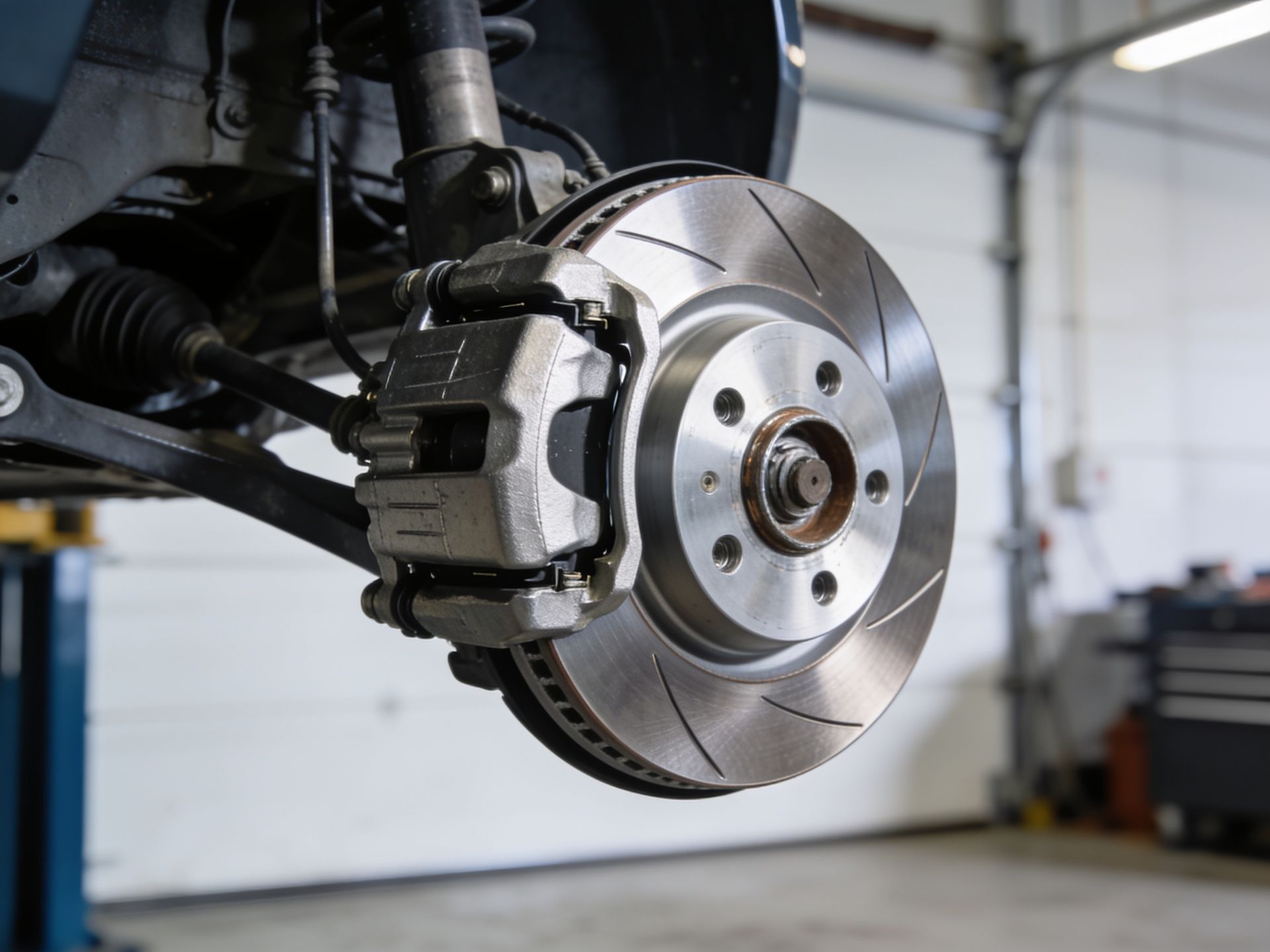
Think about your normal drive through West County. You stop at a light, get moving again, slow for traffic, stop at another light, then repeat. Every time you press the brake pedal, your brakes turn the vehicle's motion into heat. Do it dozens of times over a short drive, and that wear starts adding up.
That's why brake life isn't just about how many miles you drive. How you drive those miles matters.
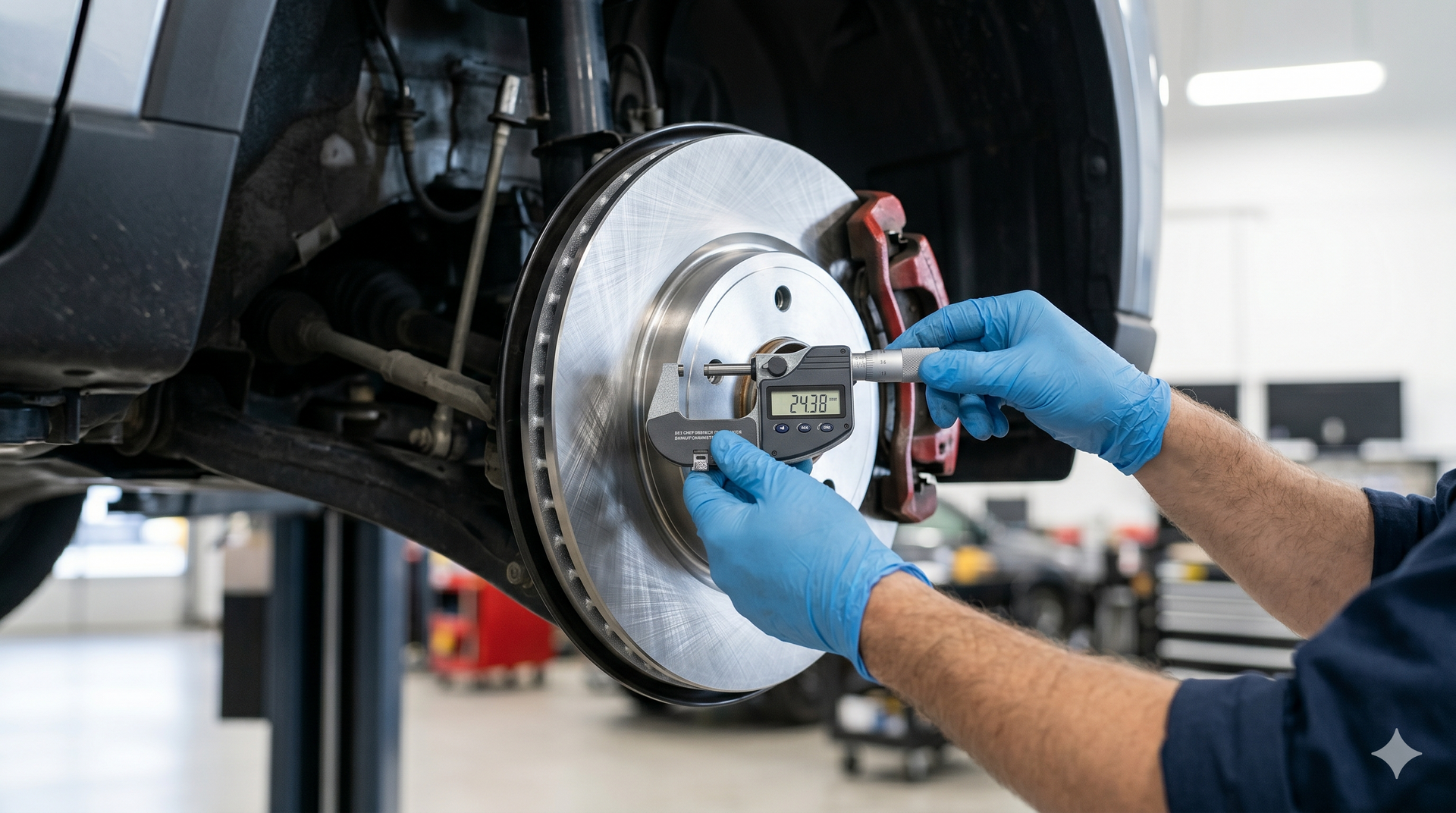
At Ellisville Tire & Service, our Master Certified technicians measure brake pads to the millimeter so you don't have to guess how much life is left. Sometimes it's time for new pads. Sometimes a worried commuter has plenty left, and we'll tell you that too.
If you're wondering about brake pad wear in Ellisville, brake life in West County, or how your daily commute affects your brakes, here's what you should know.
Stop-and-Go Miles Are Different From Highway Miles
Ten miles of open highway and ten miles of West County traffic can put very different demands on your brakes.
On a steady highway drive, you may travel for miles without touching the brake pedal. In stop-and-go traffic, you could use your brakes over and over within a few minutes.
Every stop creates friction and heat at the brake pads and rotors. The more frequently that happens, the more opportunities there are for wear.
That's why a driver who spends every morning crawling along Highway 40 or I-64 may go through brake pads faster than someone with a longer but steadier highway commute.
Think About Stops Per Mile, Not Just Miles Driven
When it comes to brake wear, your odometer only tells part of the story.
Consider a typical day around Ellisville and West County. You might drive Manchester Road, stop through several lights, slow for school zones, sit in afternoon traffic, and make a few errands before heading home.
A Chesterfield parent handling school drop-off and pickup may use the brakes far more often during 20 miles of daily driving than someone traveling 40 relatively uninterrupted highway miles.
More stops per mile means more braking events. More braking events mean more heat and friction. Over time, that can mean faster pad wear.
What Highway 40 and I-64 Traffic Does to Your Brakes
West County commuters know how quickly a normal drive can turn into stop-and-go traffic.
You accelerate, brake, move a few car lengths, then brake again. Your pads barely get a break before they're being asked to slow the vehicle again.
That repeated heat cycle is part of what makes stop-and-go brake wear in St. Louis different from wear caused by steady cruising.
It doesn't mean something is necessarily wrong with your brakes. It means your driving conditions may cause them to wear sooner than a mileage estimate alone would suggest.
Signs Your Brake Pads May Be Getting Thin
Your brakes will often give you clues when something needs attention.
Watch and listen for:
- Squealing or squeaking when braking
- Grinding noises
- A longer stopping distance than you're used to
- A brake pedal that feels different
- Pulsing or vibration through the pedal
- The vehicle pulling while braking
A pulsing pedal can sometimes point to uneven rotor surfaces, while squealing may indicate worn brake pads or another issue that needs inspection.
Don't wait for grinding to schedule a brake inspection. By that point, worn pads may already be causing additional damage.'
We Measure Brake Pads. We Don't Guess.
You shouldn't have to replace brake pads because someone says they "look low."
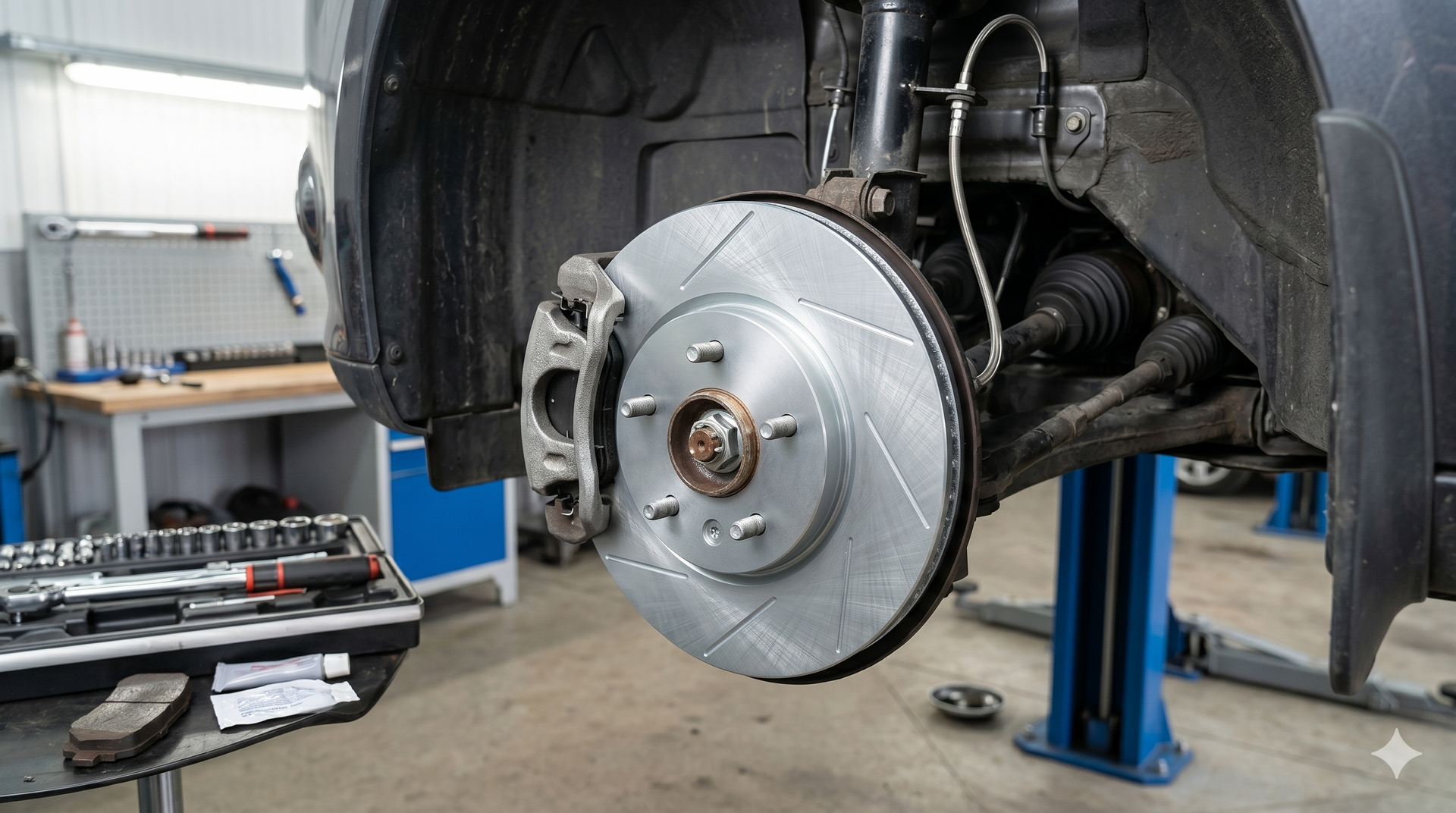
Brake pad thickness can be measured in millimeters, giving you a much clearer picture of how much material remains.
At Ellisville Tire & Service, that's an important part of how we approach brake inspections. Our Master Certified technicians measure the pads, show you the numbers, and explain what those numbers mean based on your vehicle and driving habits.
Maybe they're getting close and you should plan for replacement soon.
Maybe they're worn enough that addressing them now makes sense.
Or maybe you have more brake life left than you thought.
We'll tell you either way.
Catching Thin Pads Early Can Save Your Rotors
Brake pads are designed to wear. That's their job.
The trouble starts when they're allowed to wear too far.
Once there isn't enough friction material remaining, other brake components can be damaged. What could have been a straightforward pad replacement can turn into a more involved repair that includes the rotors.
Catching worn pads early gives you a better chance of addressing the normal wear item before it creates additional costs.
If you aren't sure where your brakes stand, stop by Ellisville Tire & Service for a free brake measurement. We'll measure what's left and give you a straight answer.
Your Braking Habits Matter Too
West County traffic may be unavoidable, but small changes behind the wheel can help reduce unnecessary brake wear.
Try these habits:
- Leave more following distance. More room gives you time to slow gradually instead of braking hard.
- Coast toward red lights. If you can see you're going to stop, ease off the accelerator earlier.
- Avoid riding the brakes. Keeping light pressure on the pedal creates unnecessary friction and heat.
- Look farther ahead. Anticipating traffic changes can reduce sudden braking.
- Ease into stops. Smooth, controlled braking is generally easier on the system than repeated hard stops.
You can't eliminate every stop on Manchester Road, but you can make each one a little easier on your brakes.
Uneven Braking Can Create Uneven Wear
Brake pads don't always wear at exactly the same rate.
Problems within the braking system or repeated aggressive braking can contribute to uneven wear. Heat can also affect the rotor surface, potentially leading to the pulsing or vibration you feel through the pedal.
That's another reason a brake inspection should involve more than simply looking at one pad.
A proper inspection can help determine how the braking components are wearing together and whether anything needs attention.
Driving an Older Vehicle? Let's Talk About What's Worth Doing
If your vehicle has been on West County roads for a long time, you may be thinking about repairs differently than someone driving a newer car.
You want to know what's necessary, what can wait, and whether the work makes sense for how long you plan to keep the vehicle.
We'll give you that information.
If your brakes need attention now, we'll explain why. If they still have usable life left, we'll tell you that too. The goal is to give you a clear picture so you can plan around your vehicle and your budget.
Should You Come In Now or Wait Until Your Next Service?
Not every brake concern requires an immediate replacement.
But some signs shouldn't wait.
Come in soon if:
- Your brakes are grinding.
- Stopping takes noticeably longer.
- The pedal pulses or vibrates.
- The vehicle pulls while braking.
- You've noticed a significant change in brake feel.
- You're hearing persistent brake noise.
Consider having them measured at your next service if:
- Your brakes feel and sound normal.
- You haven't noticed a change in stopping performance.
- You simply don't know how much pad life remains.
If you're somewhere in between, a quick measurement can take the guesswork out of the decision.
Know How Much Brake Life You Actually Have
There's no reason to replace brakes too early. There's also no reason to wait until worn pads turn into a more expensive repair.
The answer is in the measurement.
Whether you're an I-64 commuter, a Manchester Road regular, or a parent making the daily school run through Chesterfield, Ellisville Tire & Service can give you an honest read on your brakes.
Our Master Certified technicians serve drivers from Ellisville, Ballwin, Wildwood, Manchester, Chesterfield, and surrounding West County communities from our Ellisville location, with convenient Monday through Saturday hours.
Stop by for a free brake measurement, book a brake inspection, or visit us for an honest read before your next service. We'll measure what's left, tell you what we see, and help you decide what makes sense for your vehicle.