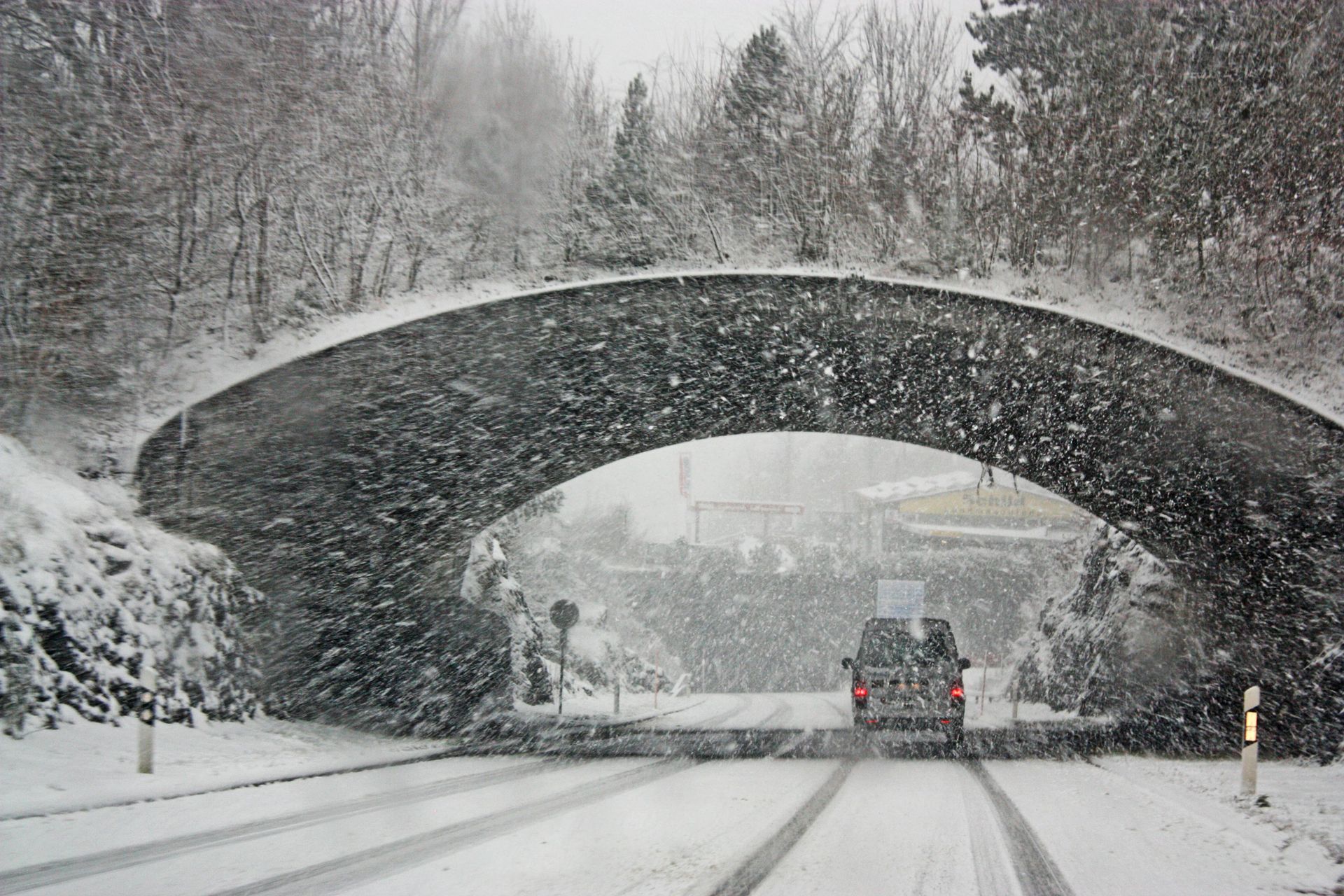
Winter in St. Louis doesn’t follow a script.
One week it’s 55 degrees and raining. The next, temperatures drop overnight, bridges freeze, and a thin layer of ice turns Highway 40 into a slow-moving parking lot. Snowstorms are hit or miss, but ice storms are not.
That unpredictability leaves a lot of St. Louis–area drivers asking the same honest question every year:
Do I really need different tires for winter here, or am I being upsold?
If you live in Ellisville, Ballwin, Wildwood, Manchester, Chesterfield, or anywhere in West County, you deserve a straight answer, not a sales pitch. Missouri winters are different from northern states, and tire decisions here should reflect reality, not fear.
This guide breaks down seasonal tire choices honestly, based on real Missouri weather, real driving habits, and years of experience helping St. Louis drivers make decisions that actually make sense for them.
How St. Louis Winters Really Compare to Northern States
Let’s start with the truth.
St. Louis does not experience winter the way Minnesota, Michigan, or upstate New York does. We don’t see months of constant snowpack or subzero temperatures.
But that doesn’t mean winter driving here is easy.
St. Louis winters are defined by:
- Sudden temperature drops
- Freezing rain and ice storms
- Snow that melts and refreezes
- Bridges and overpasses icing first
- Hilly West County neighborhoods that amplify traction issues
It’s not the volume of snow that causes the most trouble, it’s ice and inconsistency.
That’s why tire decisions here are less about extremes and more about matching your setup to how and where you actually drive.
Understanding Tire Types: What They’re Designed to Do
All-Season Tires
All-season tires are exactly what most St. Louis vehicles come with, and for many drivers, they’re perfectly adequate.
All-seasons often make sense if you:
- Drive mostly during daylight hours
- Can stay home during severe weather
- Stick to main roads and highways
- Have a short or flexible commute
However, all-season tires have limits that matter in Missouri winters.
They use rubber compounds designed to balance heat, longevity, and mild cold, not repeated freezing conditions. Once temperatures drop below 45°F, that rubber starts to stiffen, reducing grip even on dry pavement.
Winter Tires (Also Called Snow Tires)
“Snow tires” and “winter tires” are the same thing.
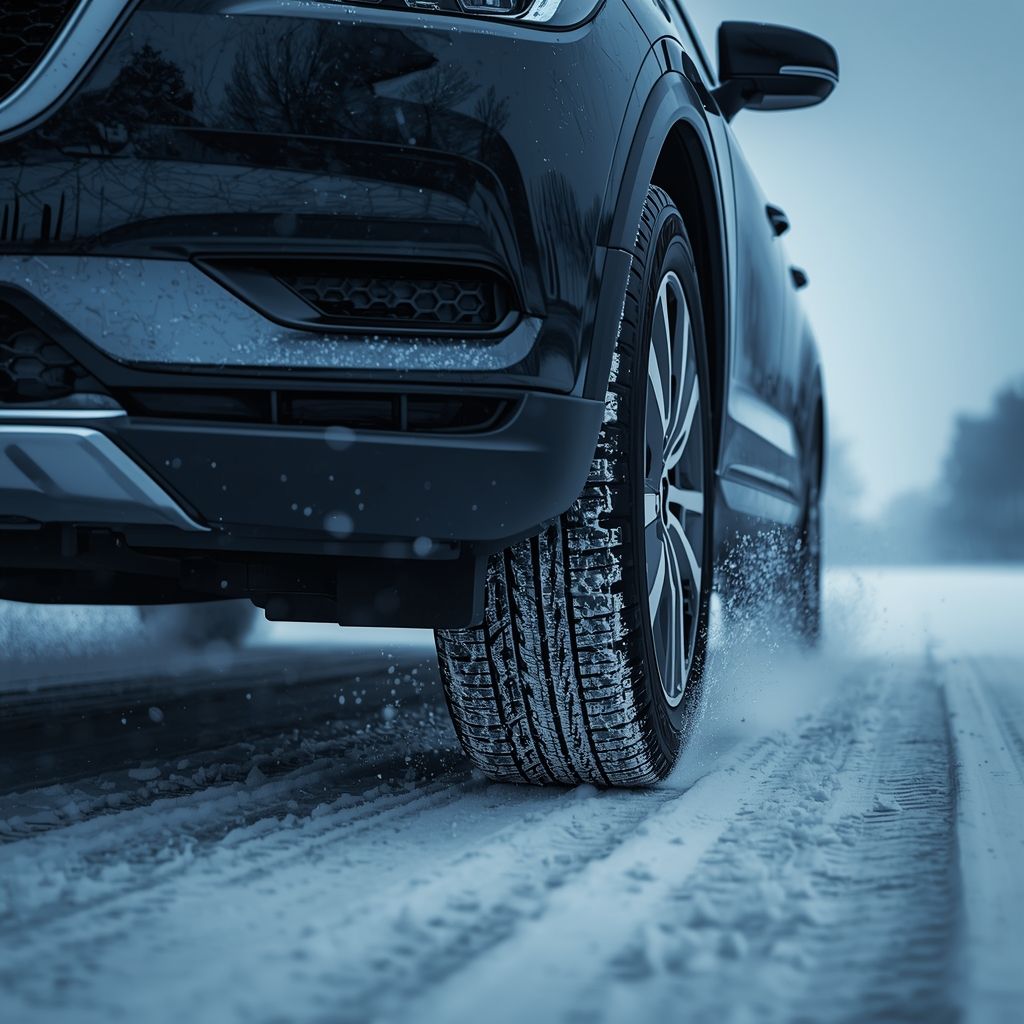
They’re designed specifically to perform when temperatures drop, regardless of whether snow is falling.
What makes winter tires different:
- Rubber compounds that stay flexible in cold weather
- Tread patterns designed to grip snow and slush
- Thousands of tiny sipes that improve traction on ice
A Ballwin customer once asked us point-blank if winter tires were “overkill” for Missouri. After a winter spent navigating early-morning commutes over icy bridges, she told us the peace of mind alone made the decision worth it.
Winter tires aren’t about panic, they’re about control.
All-Weather Tires: A Strong Option for Missouri Winters
All-weather tires are often the sweet spot for St. Louis drivers.
They’re rated for winter conditions (look for the Three-Peak Mountain Snowflake symbol) but designed to stay on your vehicle year-round.
All-weather tires are a great fit if you:
- Want one set of tires
- Drive daily but avoid extreme storms when possible
- Need better cold-weather grip than all-seasons
- Don’t want to manage seasonal tire swaps
For many Missouri drivers, all-weather tires offer meaningful winter improvement without the commitment of a dedicated winter setup.
Summer Tires
Summer tires are built for warm weather performance only.
Cold temperatures, even without snow, cause their rubber to harden dramatically. That means less grip, longer stopping distances, and unpredictable handling.
They should never be used in winter conditions in Missouri.
Do St. Louis Drivers Really Need Winter Tires?
Here’s the honest answer:
Some do. Many don’t.
Winter tires make the most sense if:
- You commute early mornings or late nights
- Your job requires you to drive regardless of weather
- You live in hilly areas like Wildwood or West County subdivisions
- You’ve experienced traction issues during ice events
- You want maximum safety margin in unpredictable conditions
They’re often unnecessary if:
- You can stay home during storms
- You drive infrequently in winter
- Your vehicle rarely leaves well-plowed roads
At Ellisville Tire & Service, we’ll tell you when all-seasons are enough, and when they’re not. No pressure. Just reality.
The Science Behind Winter Tires (Without the Jargon)
Winter tires outperform all-seasons for two reasons:
1. Cold-Weather Rubber
All-season rubber stiffens as temperatures drop. Winter tire rubber stays flexible, allowing the tire to maintain contact with the road surface.
2. Traction-Focused Tread
Winter treads are designed to:
- Hold snow in the tread (snow grips snow)
- Channel slush and water away
- Bite into ice through fine sipes
This improves braking, steering, and stability, especially during Missouri’s sudden freeze events.
The 45-Degree Rule Most Drivers Miss
Once temperatures consistently drop below 45°F, all-season tires begin losing effectiveness, even on dry roads.
In the St. Louis area, that threshold often arrives:
- In late October
- After sudden cold fronts
- Well before the first snowfall
That’s why many winter accidents here happen before snow ever sticks.
Tread Depth: The Hidden Winter Safety Factor
Tread depth matters more in winter than any other season.
The Penny Test
- Insert a penny into the tread
- If Lincoln’s full head is visible, tread is likely too worn
The Quarter Test (Better for Winter)
- Insert a quarter
- If the tread doesn’t reach Washington’s head, winter traction will be compromised
For reliable winter performance, 6/32" or more of tread depth is recommended.
AWD and 4WD Myths in Missouri Winters
All-wheel drive helps your vehicle move.
It does not help it stop.
We regularly see AWD SUVs slide on ice because the tires themselves can’t grip. Tires, not drivetrain, control braking and steering.
Missouri Ice Storm Reality: What Tires Can (and Can’t) Do
No tire can defeat glare ice completely.
But better tires:
- Improve control during partial icing
- Reduce sliding on bridges and overpasses
- Provide more predictable braking
Good tires won’t make you invincible, but they give you more margin when conditions deteriorate fast.
When Missouri Weather Typically Turns
In the St. Louis area, winter-like conditions usually begin:
- Late October to early November
- With overnight freezes before snow
- Ice events often before major storms
Waiting until snow is in the forecast often means you’re already behind the curve.
Tire Storage Considerations
If you choose a dedicated winter setup, storage matters.
Proper tire storage:
- Protects rubber from temperature swings
- Prevents premature aging
- Makes seasonal changeovers easier
For drivers without garage space, storage services remove a major barrier to seasonal tires.
Honest Cost Talk: Is the Investment Worth It?
Winter tires are an investment, but not always a necessary one.
They’re worth it if:
- You rely on your vehicle daily
- Missed work or accidents would be costly
- You plan to keep your vehicle several more years
They may not make sense if:
- Your vehicle has limited remaining life
- You drive infrequently
- You can avoid winter driving when needed
We’ll help you evaluate the cost vs. benefit honestly.
How Long Tires Last in Missouri Conditions
- All-season tires: Often wear faster due to temperature swings
- Winter tires: Typically last 3–5 winters when used seasonally
- All-weather tires: Balanced lifespan with year-round use
Proper inflation, alignment, and rotation matter more than tire type alone.
Matching Tires to Your Vehicle and Driving Habits
- Sedans: Benefit significantly from better winter traction
- SUVs & Crossovers: Weight helps, but tires still matter
- Trucks: Rear traction improves dramatically with proper tires
- Older vehicles: Tire investment should match vehicle value
Your habits matter more than your badge.
Why West County Drivers Trust Ellisville Tire & Service
At Ellisville Tire & Service, we treat customers like neighbors, because they are.
Drivers trust us because:
- We give straight answers, not sales pressure
- Our Master Certified technicians explain options clearly
- We understand Missouri driving conditions
- We’ll tell you when you don’t need winter tires
- We offer honest pricing and dependable service
Conveniently located in Ellisville, serving Ballwin, Wildwood, Manchester, Chesterfield, and surrounding St. Louis County communities, with Monday–Saturday availability.
Get Honest Guidance, No Pressure
If you’re questioning whether your current tires are enough, or wondering if winter tires make sense for your situation, we’re happy to talk it through.
Stop by Ellisville Tire & Service for an honest tire consultation.
We’ll look at your vehicle, your driving habits, and your budget, and tell you the truth.
Because in St. Louis, the right tire decision isn’t about extremes.
It’s about knowing what actually makes sense for you, before winter decides for you.