Hot, humid air makes it more difficult for your vehicle to shed heat efficiently than it would in a dry climate.
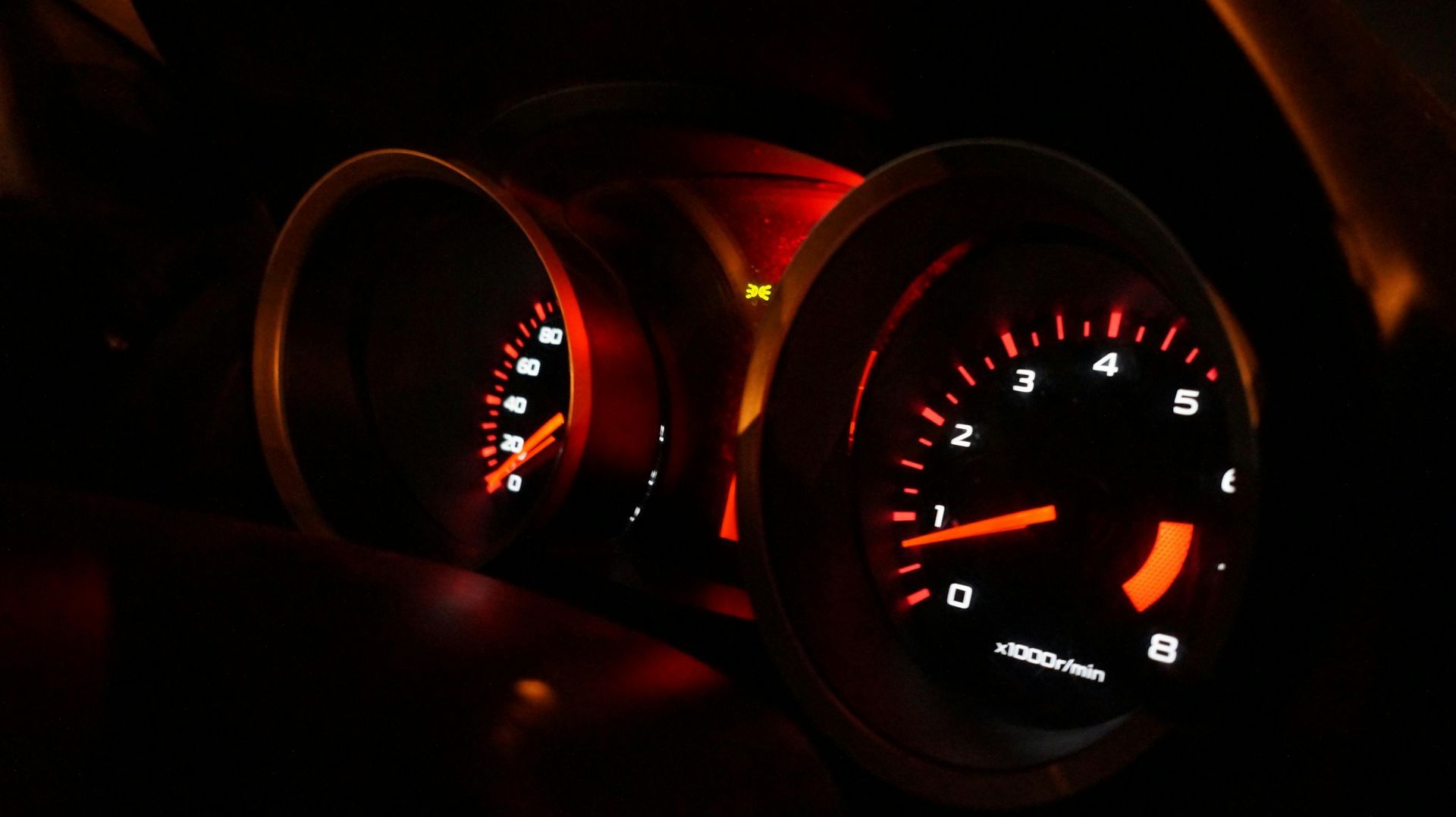
The worst place to watch your temperature gauge climb is stuck in Highway 40 traffic on a 95 degree, humid St. Louis afternoon.
You're inching forward with the air conditioning running, the sun beating down, and suddenly you notice the temperature gauge creeping higher than normal. It's a stressful moment, especially if you're trying to get home or heading out for a weekend trip.
Fortunately, cooling system problems usually give you warning signs before they leave you stranded. Knowing what to look for can help you catch a small issue before it becomes a much bigger repair.
At Ellisville Tire & Service, our Master Certified technicians help drivers throughout Ellisville, Ballwin, Wildwood, Manchester, Chesterfield, and the surrounding West County communities stay ahead of cooling system problems. We inspect first, explain what we find, and recommend only the services your vehicle needs.
Whether you're searching for a cooling system check in Ellisville, coolant service in West County, or information about engine overheating in St. Louis, here's what you should know before temperatures climb even higher.
What Your Cooling System Actually Does
Your engine generates a tremendous amount of heat every time you drive.
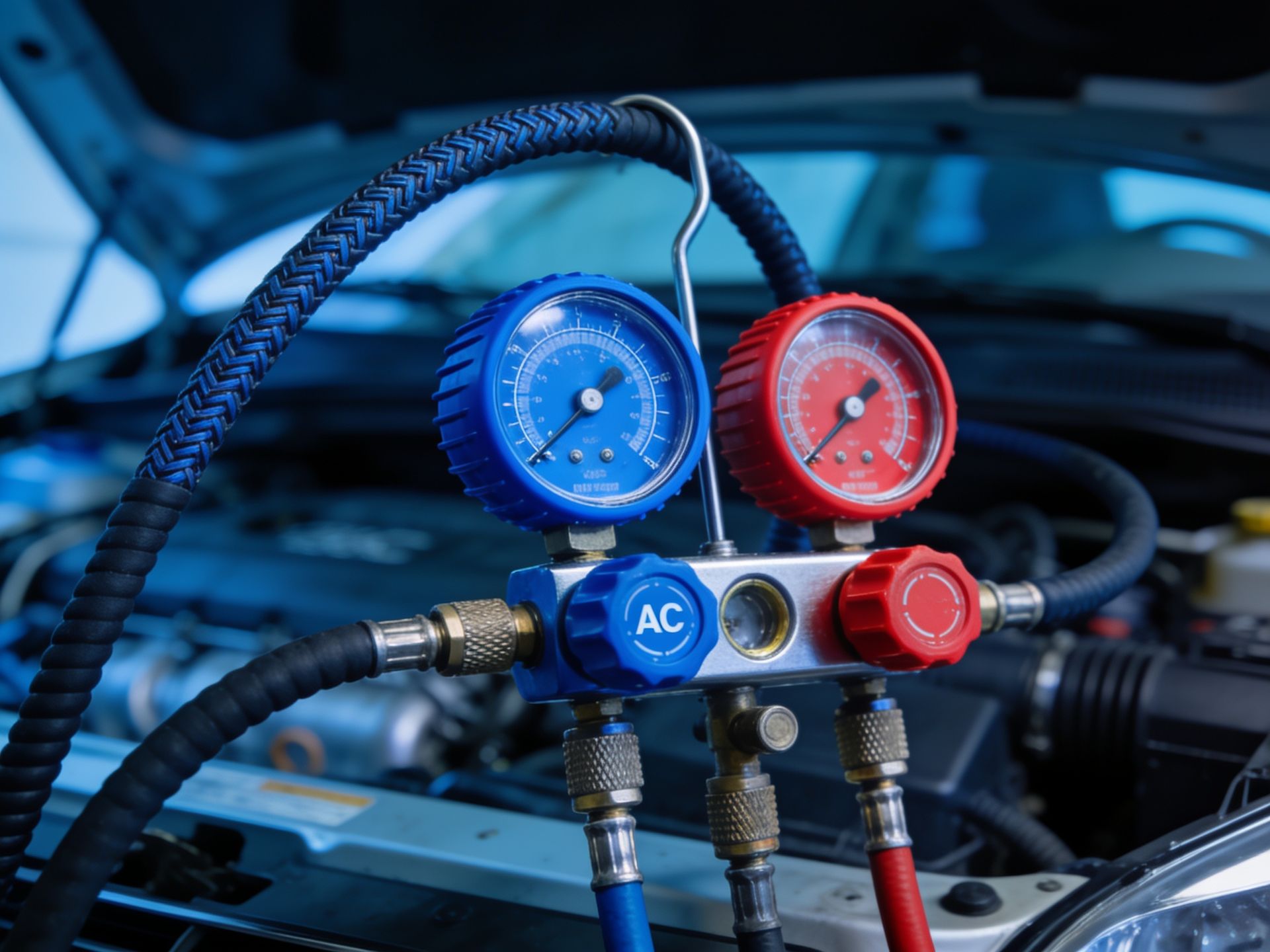
The cooling system keeps that heat under control by circulating coolant through the engine, where it absorbs excess heat before traveling to the radiator. The radiator releases that heat into the outside air, allowing the coolant to circulate back through the engine and continue the cycle.
Several components work together to make this happen:
- Coolant transfers heat away from the engine.
- The radiator cools the heated coolant.
- The water pump circulates coolant throughout the system.
- The thermostat regulates engine temperature.
- Hoses move coolant between components.
- The radiator cap helps maintain the proper system pressure.
If one part stops doing its job, the entire system must work harder.
Why Missouri Summers Are Tough on Cooling Systems
Heat alone is demanding.
Missouri adds another challenge: humidity.
Hot, humid air makes it more difficult for your vehicle to shed heat efficiently than it would in a dry climate. Add long commutes on I-64, stop-and-go traffic on Highway 40, or afternoon errands along Manchester Road, and your cooling system spends much of the day working near its limits.
Every August, we see the same thing at Ellisville Tire & Service. Cars that ran perfectly during the spring begin developing cooling system problems once Missouri's hot, humid weather settles in because the coolant or other components haven't been checked in quite some time.
Warning Signs Your Cooling System Needs Attention
Most cooling system problems don't happen without warning.
Watch for these common signs:
- The temperature gauge climbing higher than normal
- Steam coming from under the hood
- A sweet smell near the engine
- Coolant leaking beneath the vehicle
- Low coolant levels that keep dropping
- The heater blowing cool air while the engine is hot
If you notice any of these symptoms, it's a good idea to schedule a cooling system inspection before the problem gets worse.
How to Check Your Coolant Safely
Checking coolant is simple, but safety comes first.
Never remove the radiator cap while the engine is hot. Cooling systems operate under pressure, and opening the cap too soon can allow hot coolant or steam to escape.
Instead:
- Allow the engine to cool completely.
- Locate the coolant reservoir.
- Verify the coolant level falls between the minimum and maximum markings.
- Check the coolant's appearance.
Healthy coolant typically looks bright and clean.
If it appears brown, rusty, cloudy, or gritty, it may no longer provide the protection your engine needs and could be due for service.
Coolant Doesn't Last Forever
Many drivers assume coolant lasts for the life of the vehicle.
It doesn't.
Over time, coolant loses the additives that protect your cooling system from corrosion, overheating, and internal wear. Eventually, it becomes less effective at protecting your engine.
Exactly when coolant should be replaced depends on your vehicle and the type of coolant it uses. Your owner's manual provides the recommended maintenance interval, which is often based on mileage or time.
Sometimes a simple top-off is all that's needed.
Other times, a coolant flush is the better solution because the existing coolant has broken down or become contaminated.
At Ellisville Tire & Service, we'll inspect the system first so you know exactly what your vehicle needs.
Small Parts Can Cause Big Problems
Not every cooling system failure starts with an expensive repair.
Sometimes it's a worn hose or a radiator cap that's no longer sealing properly.
Inspect cooling system hoses for:
- Cracks
- Swelling
- Soft spots
- Brittleness
- Visible leaks
The radiator cap should also be inspected periodically because maintaining proper pressure helps the cooling system operate efficiently.
Replacing inexpensive parts before they fail can often prevent much larger repairs later.
Driving an Older Vehicle? We'll Give You an Honest Answer
Many West County drivers depend on vehicles they've owned for years.
When cooling system problems appear, it's natural to wonder whether every recommended repair is worth the investment.
That's a conversation we're happy to have.
We'll explain what's causing the problem, identify what needs attention now, point out what may be able to wait, and help you decide what's appropriate based on your vehicle's condition and your plans for it.
Straight talk is part of being a neighborhood repair shop.
What to Do If Your Temperature Gauge Starts Climbing
An overheating engine should never be ignored.
If your temperature gauge suddenly rises while driving:
- Turn off the air conditioning.
- If it's safe to do so, turn the heater on to help remove heat from the engine.
- Pull over safely as soon as possible.
- Turn the engine off if temperatures continue to climb.
- Allow the engine to cool completely.
- Never remove the radiator cap while the engine is still hot.
If you're unsure whether it's safe to continue driving, it's better to have the vehicle inspected than risk severe engine damage.
Why a Cooling System Check Is Worth It Before a Road Trip
Planning one last getaway before summer ends?
A quick cooling system inspection is one of the easiest ways to reduce the chances of an unexpected breakdown.
Our technicians inspect:
- Coolant level
- Coolant condition
- Radiator
- Hoses
- Radiator cap
- Water pump area
- Visible leaks
Catching a small issue before your trip is almost always easier and less expensive than dealing with an overheated engine far from home.
Why West County Drivers Choose Ellisville Tire & Service
Whether you need a cooling system check in Ellisville, coolant service in West County, radiator service in Ballwin, or help diagnosing engine overheating in St. Louis, Ellisville Tire & Service starts with an honest inspection.
Our Master Certified technicians explain what they find, recommend only the repairs your vehicle needs, and provide straightforward pricing without the corporate feel.
Conveniently located in Ellisville and serving drivers from Ballwin, Wildwood, Manchester, Chesterfield, and surrounding West County communities, we're open Monday through Saturday to help keep your vehicle running reliably all summer long.
Stay Ahead of the Heat
Cooling system problems rarely fix themselves.
If your coolant hasn't been inspected recently, you've noticed the temperature gauge running higher than usual, or you're planning another highway trip before summer ends, now is the perfect time to have your cooling system checked.
Stop by Ellisville Tire & Service for a cooling system inspection, schedule coolant service, or have our Master Certified technicians look before the hottest days of summer arrive.
We'll show you what we find, explain your options, and help you drive with confidence through the rest of the Missouri summer.