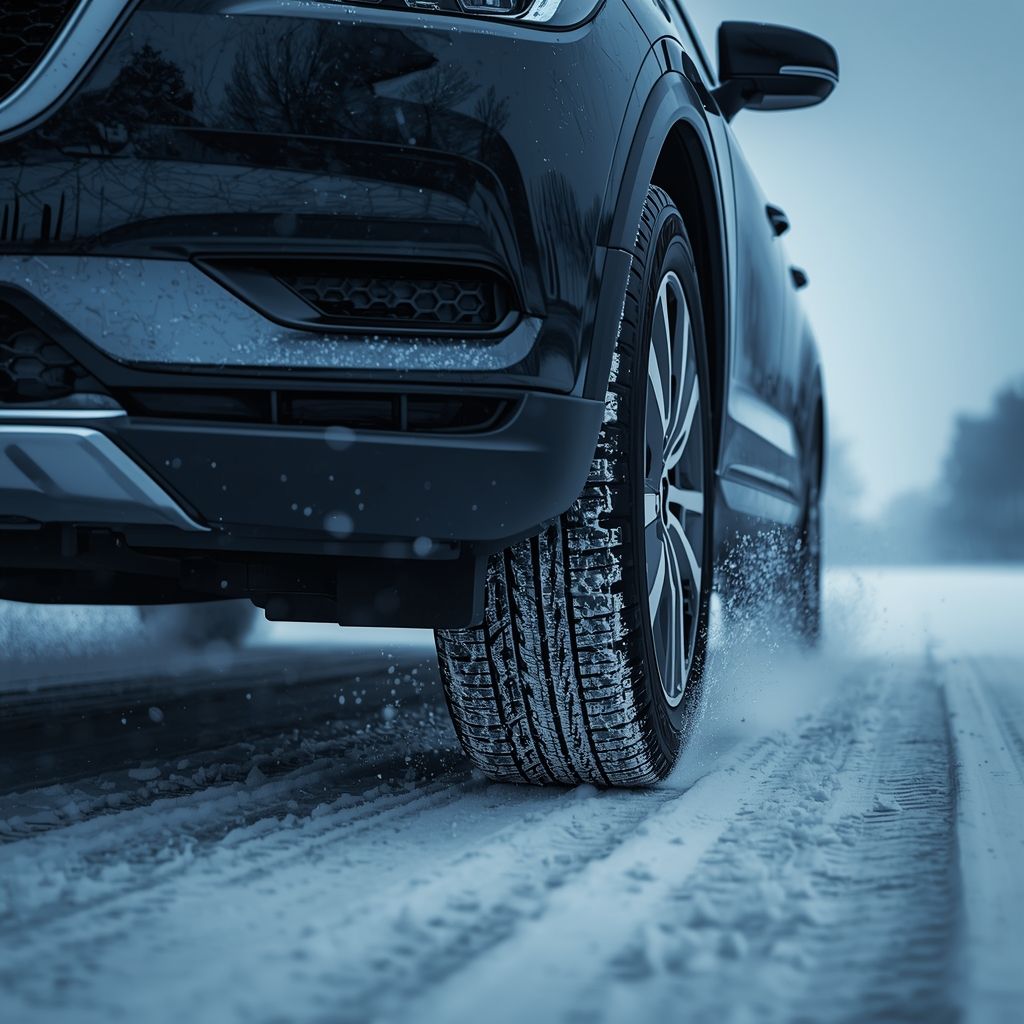
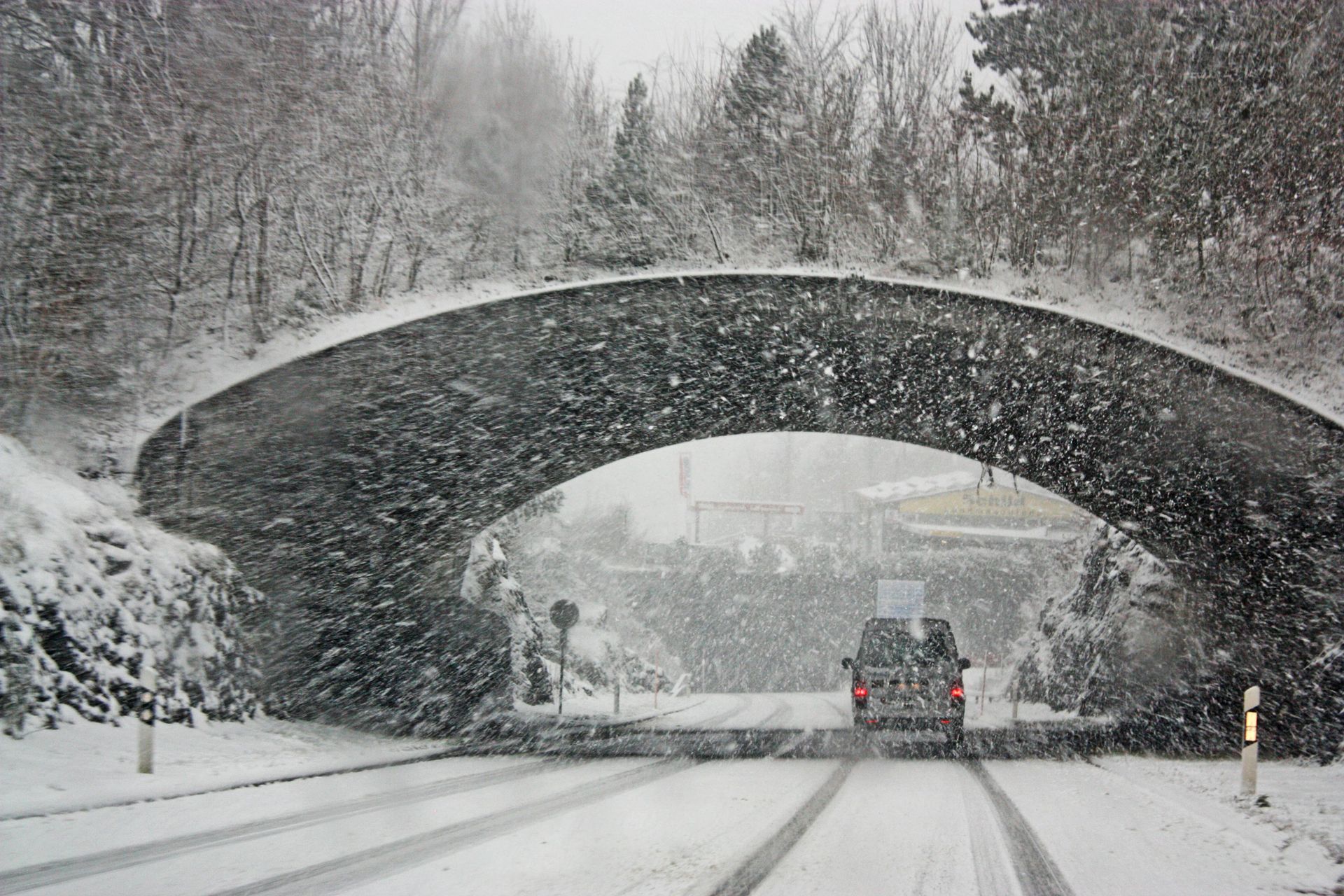
Missouri weather is rough on cars.
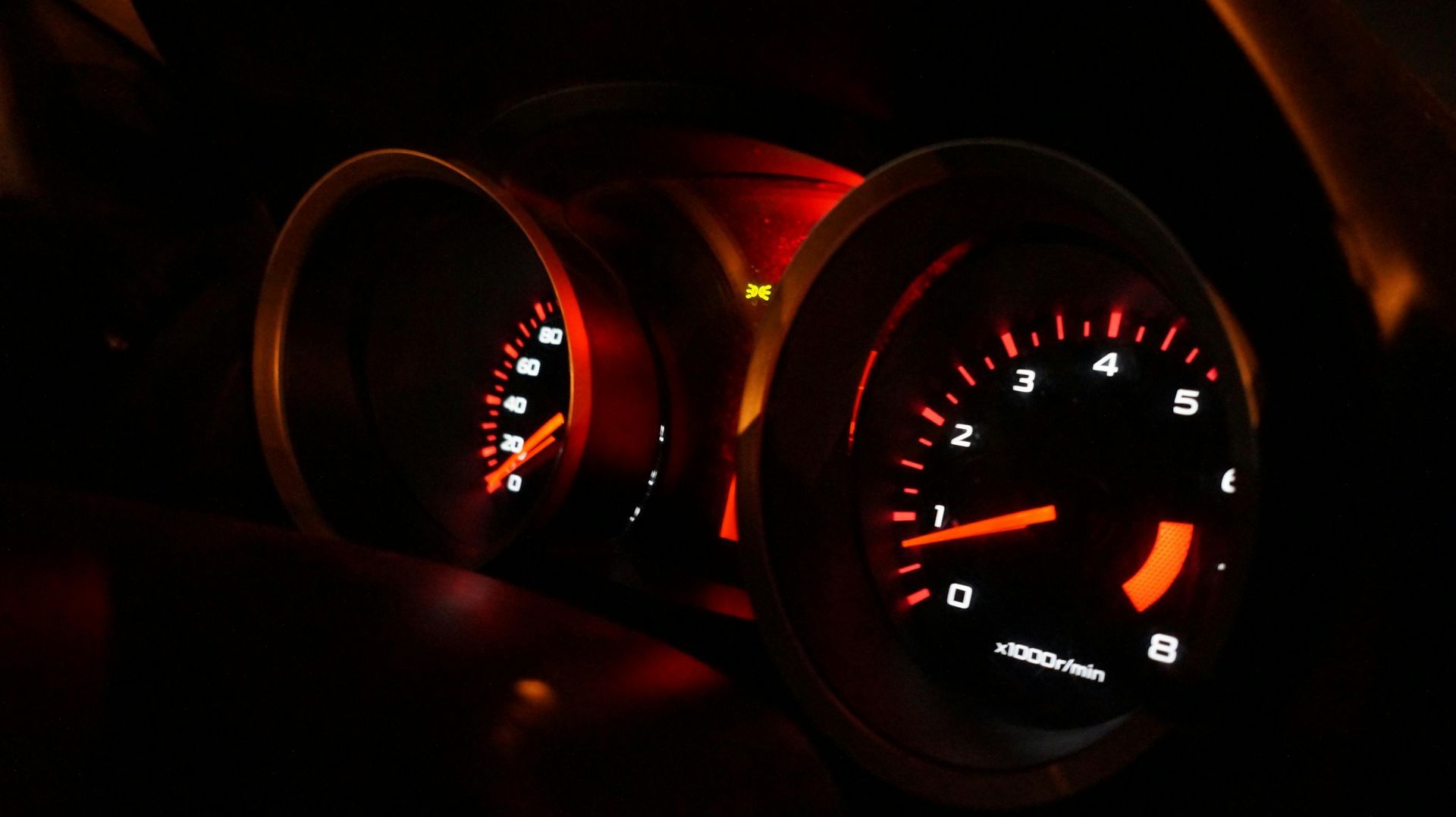
Your check engine light just came on while you’re driving on Highway 40. Your heart’s racing. You’re thinking, “Is my car about to die? Can I keep driving? What do I do right now?”
Take a breath. Most warning lights aren’t instant disasters, but some are. The trick is knowing what to do in the first minute, and when to get help fast.
Here’s a calm, local, step-by-step guide for St. Louis metro drivers, especially around West County.
First 60 seconds: what to do immediately
When a warning light pops on, do these steps in order:
- Look at the light and its color.
- Red usually means urgent.
- Yellow/orange usually means caution.
- Notice if it’s flashing or steady.
- Flashing = act now.
- Steady = act soon.
- Feel how the car is driving.
Ask yourself:
- Is it running rough?
- Losing power?
- Making new noises?
- Smelling hot, oily, or like gas?
- Make your safety call.
- If the light is red or flashing, or the car feels “wrong” → pull over safely ASAP.
- If it’s yellow/orange and steady and the car feels normal → drive gently to a safe spot or shop.
Don’t floor it. Don’t ignore it. Don’t panic. Just follow the checklist.
Flashing vs. steady lights: the critical difference
This is one of the biggest “can I drive it?” clues.
Flashing light = urgent problem happening right now.
A flashing check engine light can mean an engine misfire that can damage your catalytic converter quickly. That’s expensive and avoidable.
Steady light = warning you something needs attention soon.
Still important. But you can usually drive carefully to get it checked.
Rule of thumb:
- Flashing → slow down, avoid hard acceleration, pull over when safe.
- Steady → drive gently, get diagnostics today.
Red lights vs. yellow lights: how urgent is it?
Red warning lights mean “stop driving if you can.”
Common red lights include:
- Oil pressure
- Engine temperature / overheating
- Brake system warning
- Battery/charging system
- Airbag/SRS warning
If one of these comes on, especially with weird driving symptoms, don’t keep cruising down I-64 hoping it goes away.
Yellow/orange lights mean “get it checked soon.”
Common yellow/orange lights include:
- Check engine (steady)
- ABS
- Tire pressure (TPMS)
- Traction control
- Maintenance reminders
You usually have time to drive in, but not time to ignore it for weeks.
If you need to pull over: safe West County procedures
If you’re on a fast or busy road like I-64, Highway 40, Manchester Road, or Clarkson Road, safety matters more than the car.
Do this:
- Signal early.
- Move to the right shoulder or nearest exit.
- Avoid stopping on curves or hills.
- Turn on your hazard lights.
- If you see smoke or the temp light is on, shut the engine off.
If you’re in a shopping area (Chesterfield Valley, Manchester retail strips, Ellisville lots), try to pull into a wide parking area instead of stopping in traffic.
And if you feel unsafe where you stopped, call for help and stay buckled in until it’s safe to exit.
What to check yourself before calling for help
You don’t need to be a mechanic to do a quick scan. Just keep it simple and safe.
Fast, easy checks:
- Gas cap: If you just fueled up and the check engine light is steady, tighten the cap until it clicks.
- Visible leaks: Look underneath for fresh puddles.
- Tires: If TPMS is on, check for an obviously low tire.
- Smoke/steam or strong smells: If you notice this, don’t drive farther.
Only check fluids if the engine is off and safe to touch:
- Oil level: Dipstick check takes 30 seconds.
- Coolant: Only check when the engine is cool. Never open a hot cap.
- Washer fluid: Not urgent, but easy.
If anything looks off, or you’re not comfortable checking, skip it and call.
When to keep driving vs. when to stop immediately
You can usually keep driving briefly if:
- Light is yellow/orange
- Light is steady
- Car is driving normally
- No smoke, no loud knocking, no burning smell
Drive gently. Avoid highways if you can. Head to a shop the same day.
You should stop driving right away if you see:
- Any red warning light
- A flashing check engine light
- Temperature/overheating light
- Oil pressure light
- Brake warning light with soft/odd braking
- Shaking, grinding, power loss, or loud knocking
- Smoke, steam, or fuel smell
If you’re at home, don’t start another trip “just to see.” Call first.
What information to gather before calling Ellisville’s Tire and Auto
This helps a technician get you real answers faster.
Make a quick note of:
- Light color
- Flashing or steady
- What the icon looks like
- Any sounds
- Any driving changes
- When it started (after fueling? after a pothole? during traffic?)
- Weather note (cold snap? extreme heat?)
Even a short phone note is gold.
What to tell a technician when you call
Here’s a simple script you can use:
“Hi, I’m in [your location, Ellisville/Ballwin/Chesterfield/etc.]. My [warning light] came on. It’s [red/yellow] and [flashing/steady]. The car is [driving normally / shaking / losing power]. I noticed [any sounds/smells/leaks]. Can I bring it in for diagnostics today?”
That’s it. No jargon needed.
Why professional diagnosis matters more than guessing
Dashboard lights don’t tell you the exact problem. They tell you something needs attention.
One check engine light can mean:
- a loose gas cap
- a bad sensor
- a misfire
- a fuel issue
- or something else entirely
Googling gives you a hundred scary possibilities. Parts-swapping gets expensive fast.
A real diagnostic scan + experienced tech is what finds the actual cause the first time.
That saves money, time, and stress.
Cost expectations: honest talk
A lot of drivers hesitate because they fear the bill.
Here’s the truth: diagnostics are usually far cheaper than guessing.
Typical ranges:
- Diagnostic scan: often about $50–$150
- Common repairs we see after a scan:
- gas cap / evap fix: $0–$30
- sensor replacement: $150–$400
- plugs/coils: $200–$600
- bigger repairs vary, but you’ll know before committing
Ignoring a light is what turns small fixes into big ones.
What happens during an emergency diagnostic visit at Ellisville Tire & Service
When a warning light brings you in, you won’t get brushed off. You’ll get answers.
Here’s our process:
- We listen first.
You tell us what you saw and felt. - We scan your vehicle with professional diagnostic equipment.
Not just a generic code reader. - We confirm the root cause.
No guessing, no “replace everything and hope.” - We explain it in plain English.
You’ll know what’s wrong and why. - We tell you what’s urgent and what can wait.
Clear priorities, clear pricing.
And yes, you can just stop by.
No appointment needed for diagnostics. We’ll fit you in Monday through Saturday.
Towing considerations (and local options)
You need a tow if:
- the light is red or flashing and the car feels unsafe
- the engine is overheating
- the car stalls or won’t accelerate
- you see heavy smoke or fluid dumping
- the brakes feel unreliable
If you’re not sure, call us. We’ll help you decide if it’s safe to drive in or smarter to tow.
Real St. Louis scenarios we see all the time
- “Light came on in stop-and-go on 64.”
Often heat-related sensors or misfires. We see this nonstop in summer traffic. - “TPMS during the first cold snap.”
Tire pressure drops fast in Missouri winters. Sometimes it’s just air. Sometimes it’s a slow leak you want to catch early. - “Check engine after a fill-up in Ballwin.”
Loose caps are common, but if it stays on, we’ll scan it. - “Older SUV, light plus rough idle on Manchester Road.”
Could be plugs/coils, could be vacuum leaks. Either way, we’ll tell you what’s worth fixing.
We’ve seen everything. Nothing you bring in will surprise us.
Are older vehicles worth repairing?
Short answer: often, yes, if the repair makes sense.
That’s why we don’t just sell repairs. We give you the picture.
We’ll talk through:
- your vehicle’s age and mileage
- the real cause of the light
- what happens if you fix it vs. don’t
- the cost compared to the car’s value
Sometimes the smart move is repairing.
Sometimes it’s not.
Either way, you’ll get straight talk from a neighbor, not pressure from a dealership.
Seasonal St. Louis considerations
Missouri weather is rough on cars.
Winter issues can trigger:
- batteries and charging lights
- TPMS lights
- traction/ABS warnings
Summer heat and humidity can trigger:
- overheating
- coolant system faults
- AC-related warnings
If a light appears during extreme temps, don’t assume “it’s just the weather.” Let us check it before it becomes a breakdown.
After-hours or Sunday warning lights
Of course lights show up at the worst times.
If it happens after hours or on Sunday:
- Follow the safety rules above.
- If it’s safe to drive, plan to come in first thing Monday.
- If it’s not safe, don’t drive it. Arrange a tow.
We’re open Monday–Saturday, and we’ll get you in quickly.
Bottom line: don’t panic, act
A warning light is your car asking for help.
Not a guarantee of disaster.
Not something to ignore.
Do this:
- Read the light.
- Make the safe call.
- Gather the details.
- Get diagnostics today.
If you’re in Ellisville, Ballwin, Wildwood, Manchester, Chesterfield, or anywhere in West County, Ellisville Tire & Service is your first call.
Stop by today for walk-in diagnostics.
Or call us now and we’ll guide you through the next step.
We’ll figure this out together.